


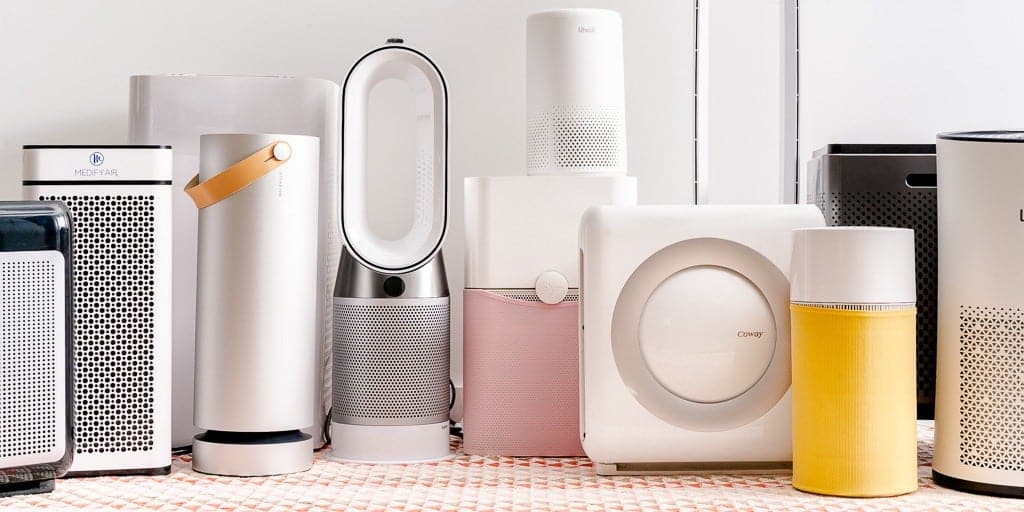
If you’ve listened to science within the last 30 years you know the world is considerably dirtier than what you can see on the surface. Solutions to this disturbing reality have been developed that do things like clean your entire phone in 30 seconds or filter the tap water to ensure healthy drinking, but there’s one device that has just recently made headlines… the air purifier. Despite its recent success, the air purifier was conceptualized in 1823 by a pair of brothers who wished to prevent smoke inhalation for firefighters. Early iterations blocked out specific particles or gases while modern purifiers filter a range of harmful particulates. Given that indoor air can have pollutants at levels significantly higher than outdoor air, one can understand the public’s desire for these devices.
Air purifiers utilize a variety of methods to adequately filter particles from the air. One type uses fine sieves that filter particles as they pass through the purifier. The filters themselves are called HEPA filters, or High-Efficiency Particulate Air filters: they are very effective at eliminating small pollutants. To the naked eye, an air purifier might as well be a decoration, but in reality, it’s trapping most particles larger than 10 microns in size. A micron is equivalent to 1/25,400 of an inch. Particles within this range for capture include smoke, soot, dust, asbestos, and allergens like pollen or animal dander. For extra protection, certain air purifiers include an ultra-violet (UV) light to kill bacteria and harmful viruses upon entry. The more particles that pass through, the fresher the air.
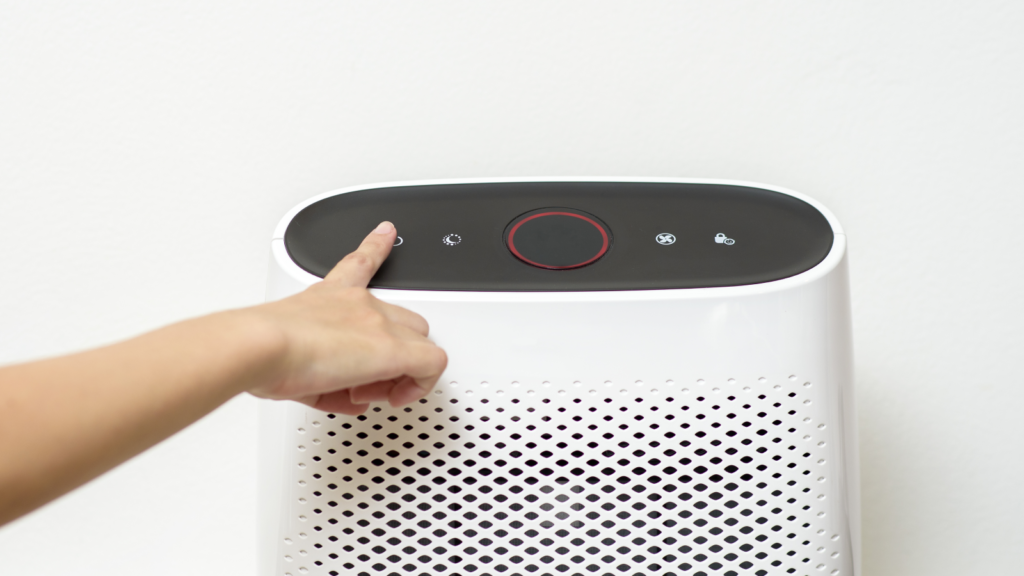
Another method to cleanse the air uses electricity. Electronic air purifiers draw pollutants in with a fan. Once close, they charge the particles via high-voltage wires. Plates attached to the purifier attract these particulates with an opposite charge. This forces particles out of the air and into the purifier. Although the method negates the need for regular and expensive filter replacement, it creates the harmful chemical ozone and is therefore not recommended.
Some high-efficiency and high-priced air purifiers contain a packed system of fibers and weaves to catch particles as small as 2.5 microns. Others combine the traditional air purifier technique and the electronic method to provide a superior air purifying experience. Suffice to say, there is no shortage of air purifying methods. Depending on how much you’re willing to spend, some will be better than others. Their effectiveness remains very dependent. For allergy sufferers or people with asthma, it may be worth your time to get a HEPA filter as it assists in removing the activators that make such a condition worse. However, the science remains out on how much an air purifier will actually improve your cardiovascular health.